

Mission success requires sustainable, unified effort. Leaders and managers build unity by engaging differences and conflict with respect, confidence, and skill.
Mediation skills are the practical art of peacemaking. They should be part of the skillset of every leader and manager. Leaders must be able to bring unity to the organization by building peace within the leadership team and with the organization’s governing board. Heads of departments and teams need the capacity and confidence and to proactively engage conflict and differences. Conflict avoided and ‘swept under the rug’ in an organization can become a toxic force that affects morale, increases stress, and decreases productivity.
The successful resolution of a difficult issue between two people or in a group always requires a shift in the conversation temperature level from frozen silence or heated argument to balanced, temperate exchange where people can listen and understand each other. Every leader and manager can become fluent in the language of dialogue. Here is a summary to download:
Dialogue Model (download .pdf)
Professional and volunteer mediators can receive expert coaching tailored to their experience, skill level, and needs to develop confidence and progress on the path to mastery.
Mediator Mastery (download .pdf)
The Art of Mediation – 2nd edition
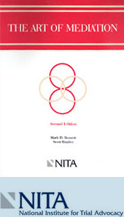
This workbook is a comprehensive introduction to the art and practice of mediation that has been used in basic mediation trainings and as a graduate school text in the United States, Canada, and Israel. It sets the mediation process in context, provides basic definitions, contrasts mediation with other forms of dispute resolution, describe variations in approach, and lays out the roles and functions of the mediator.
John Lande, Associate Professor and Director, LL.M. Program in Dispute Resolution, University of Missouri-Columbia School of Law Columbia
I have used the first edition of The Art of Mediation in my classes for almost a decade and I definitely intend to use the second edition in the future. Students like the book because it is so practical and easy to read. I like it because it presents a variety of perspectives so that students learn that there is no one right or easy way to mediate.
Wendell Jones, Distinguished Emeritus Member, International Ombudsman Association
The utility of this book doesn’t begin to capture the resource that Mark has been in my professional and personal life. The seamless goal of how I mediate and how I live is a goal of my life. The Art of Mediation supports that goal.
Susan Barnes-Anderson, Program Director Metropolitan Court Mediation Division
If you’re looking for a skilled, effective trainer look no further than Mark Bennett. I’ve taken numerous trainings from many different trainers over the last 23 years and he is still one of my absolute favorites. I always take away something that greatly enhances my work as a mediator.
The Art of Mediation Field Guide for the Advanced Practitioner
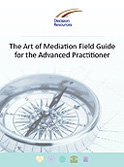
This guide picks up where the Art of Mediation ends offering specific tools and expert guidance to overcome the special challenges that experienced mediators face. The orientation, guided worksheets and concrete recommendations will point the way toward mastery of the mediation process and keep you on the path to reach your professional goals.